Pearl Dental Blog
What Happens to Your Natural Teeth During Veneer Treatment
If you are considering veneers, you probably have one big question on your mind. What actually happens to your natural teeth during veneer treatment in El Segundo? It is a smart question. Veneers permanently alter your tooth structure, so understanding the process matters. Dr. Alex Boudaie at Pearl Dental El Segundo walks every patient through each step before any work begins. This guide covers the full journey, from your first consultation to your final bonded smile.
What Happens to Your Natural Teeth During Veneer Treatment: The Consultation Phase
Your veneer journey begins with a thorough consultation. Dr. Boudaie examines your teeth, gums, and bite to confirm you are a good candidate. He also takes X-rays and digital impressions during this visit. This step is about gathering the right information before touching a single tooth.
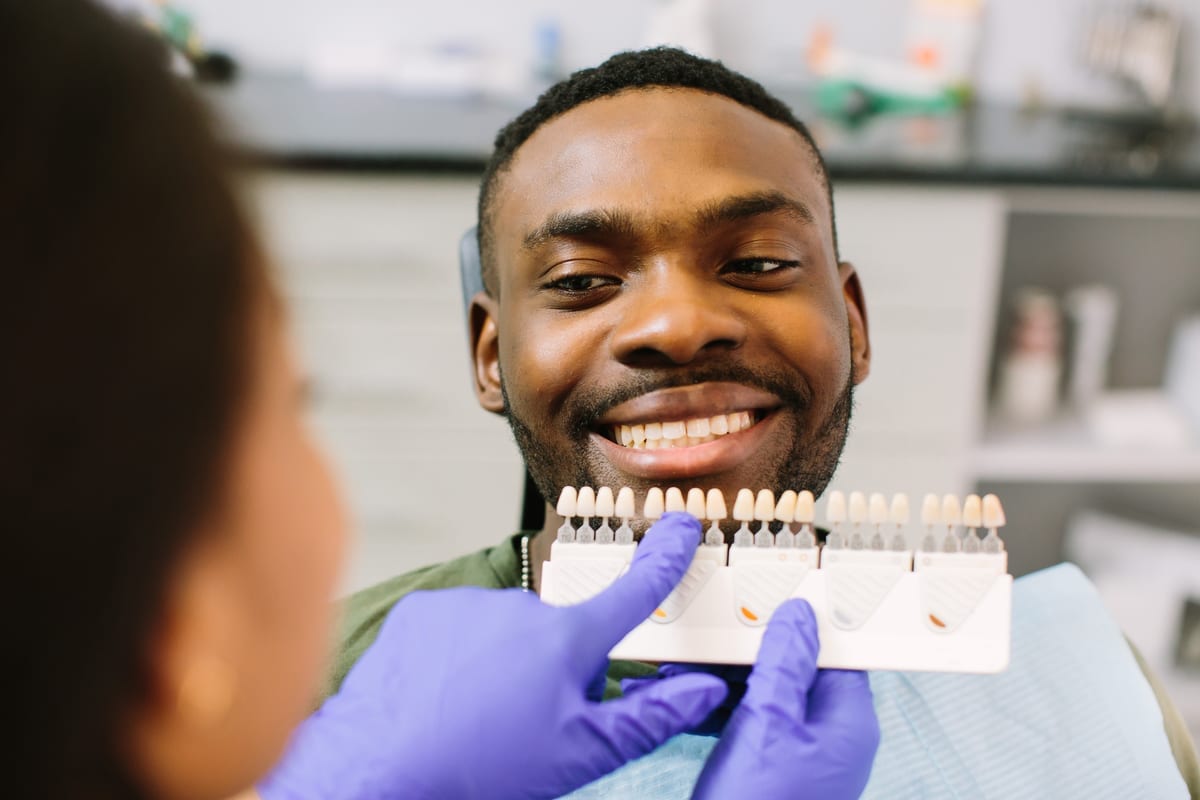
During the consultation, shade selection also begins. You and Dr. Boudaie review a shade guide together. The goal is to find a color that looks natural and complements your skin tone. No two shade selections are exactly the same because no two smiles are the same.
You will also discuss the number of veneers you need. Some patients want a full smile makeover. Others need just one or two teeth corrected. Either way, a customized treatment plan gets created specifically for you before moving forward.
Enamel Reduction: The Most Important Step to Understand
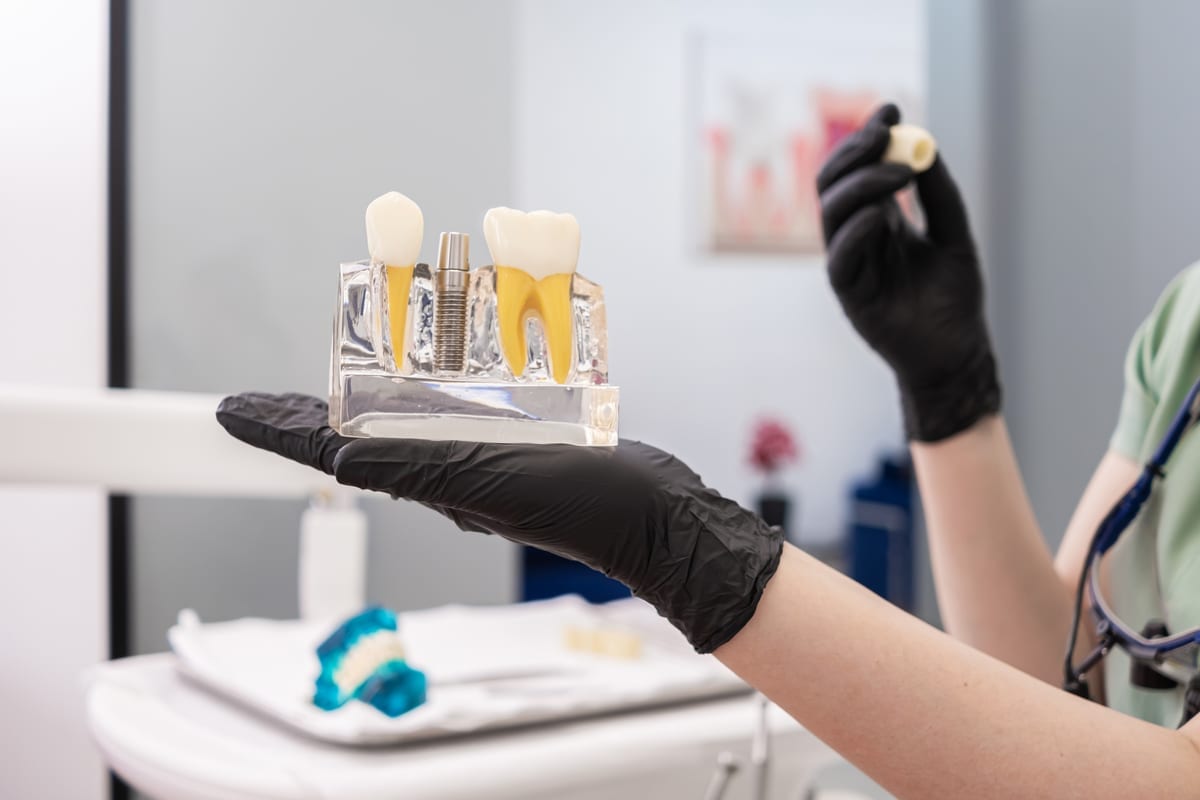
Enamel removal is the step that makes veneers a permanent decision. Dr. Boudaie gently removes a thin layer of enamel from the front surface of each tooth. This layer is typically between 0.3 and 0.5 millimeters thick. That is roughly the thickness of a contact lens.
Why is this necessary? Removing enamel creates space for the veneer to sit flush with surrounding teeth. Without this step, veneers would look bulky and unnatural. The amount removed is carefully controlled to protect the inner tooth structure.
Here is what patients often ask about enamel removal:
- It is a one-time, irreversible process
- The amount removed is minimal but permanent
- Local anesthetic keeps the procedure comfortable
- Your teeth will feel sensitive until temporaries are placed
- No significant damage occurs to the root or inner pulp
Once enamel is removed, your teeth cannot go back to their original state. This is why the consultation and planning phase matters so much. Dr. Boudaie ensures you fully understand this before any preparation begins.
The Temporary Veneer Phase: Protecting Your Teeth Between Visits
After enamel removal, your natural teeth are more vulnerable. They need protection while your permanent veneers are being crafted. Dr. Boudaie places temporary veneers to cover and shield your prepared teeth. These temporaries also give you a preview of your new smile.
Temporary veneers are made from an acrylic material. They are not as durable as your permanent porcelain veneers. You should avoid hard, crunchy, or sticky foods during this phase. Most patients wear temporaries for one to two weeks while the dental lab creates the final restorations.
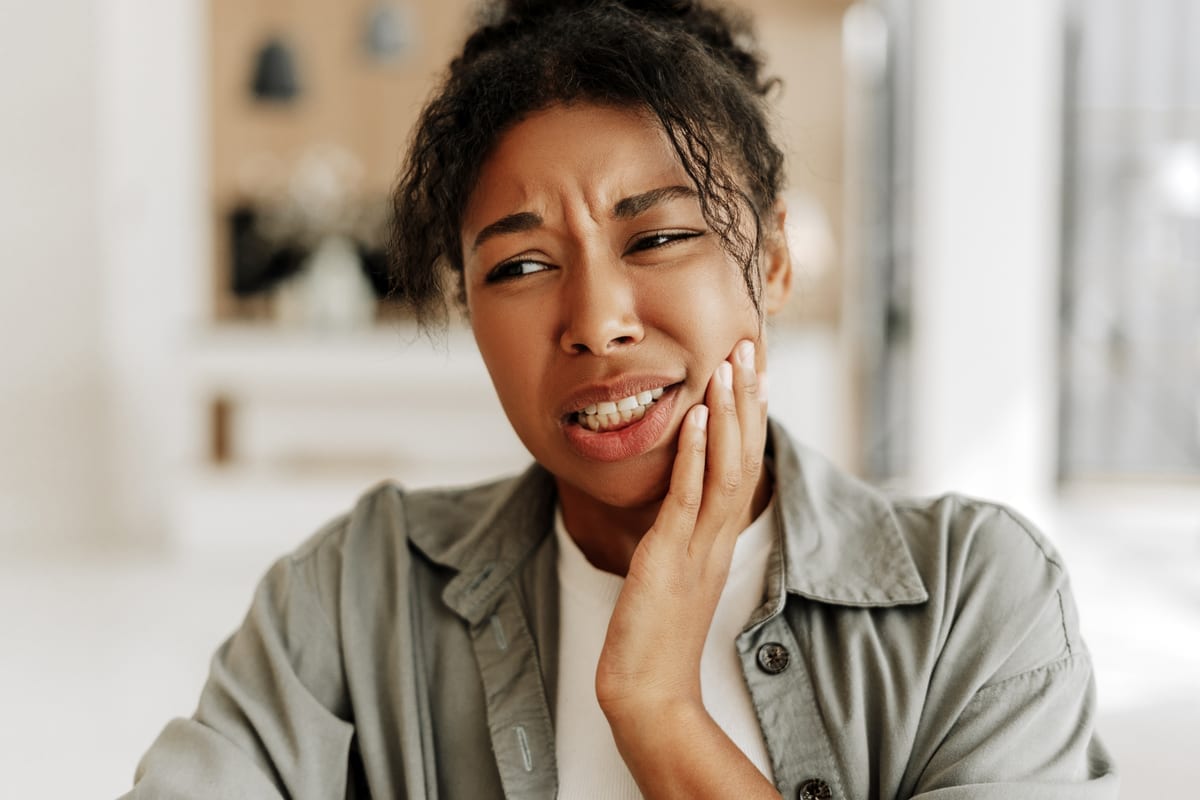
Sensitivity is common during the temporary phase. Your enamel has been reduced, so hot and cold temperatures may feel more intense. This sensitivity typically resolves once your permanent veneers are bonded. If discomfort becomes severe, contact Pearl Dental El Segundo right away.
Use this phase wisely. Pay attention to how your temporaries look and feel. If something seems off with the shape or bite, tell Dr. Boudaie. Adjustments to the final veneers can still be made before they are permanently bonded.
Final Bonding: How Permanent Veneers Are Attached to Your Natural Teeth
When your custom veneers arrive from the lab, you return for the bonding appointment. Dr. Boudaie first places each veneer without adhesive. This dry fitting confirms the shape, fit, and shade are exactly right. Minor adjustments can still happen at this stage.
Once everything looks perfect, the bonding process begins. Each tooth surface gets cleaned, polished, and etched with a mild acid solution. Etching creates a slightly rough texture. This texture helps the adhesive bond securely to your natural tooth.
A special dental cement is applied to the veneer. Dr. Boudaie positions it carefully on your tooth. A curing light activates the cement and hardens it within seconds. Excess cement is removed, and your bite is checked to ensure everything aligns properly.
Here is a summary of what the bonding appointment involves:
- Dry fitting and shade verification
- Tooth surface preparation and etching
- Dental cement application
- Precise veneer placement
- Curing light activation
- Bite adjustment and final polish
After bonding, your veneers are permanently part of your smile. They are strong, stain-resistant, and designed to last many years with proper care. Dr. Boudaie reviews aftercare instructions before you leave the office.
Caring for Your Natural Teeth After Veneers Are Placed
Veneers cover your natural teeth, but they do not replace good oral hygiene. The underlying tooth structure still needs care every day. Brushing twice daily and flossing once a day remain essential habits. Neglecting hygiene can lead to decay along the veneer margins.
Avoid using your veneers as tools. Do not bite your nails, open packages, or chew ice. These habits can chip or crack the porcelain. Wearing a night guard is also recommended if you grind your teeth during sleep.
Regular checkups at Pearl Dental El Segundo help keep your veneers in top condition. Dr. Boudaie monitors both the veneers and your underlying natural teeth at every visit. Early detection of any issues prevents bigger problems down the road.
Some patients also come to us after needing other dental work. If you have questions about Tooth Extractions El Segundo or need to address a problematic tooth before starting veneers, our team handles that too. We also see patients who need Wisdom Teeth Extraction El Segundo before beginning cosmetic treatment. Comprehensive care ensures your smile is healthy from the inside out.
Conclusion: Your Natural Teeth and Your Veneer Journey
Understanding what happens to your natural teeth during veneer treatment in El Segundo helps you make a confident, informed decision. The process involves careful planning, minimal enamel removal, a temporary phase, and precise bonding. Every step is designed to protect your teeth while creating a beautiful result. Dr. Alex Boudaie and the team at Pearl Dental El Segundo are here to guide you through the entire process. Book Now to schedule your appointment with our team.
Frequently Asked Questions
Does enamel removal during veneer treatment hurt?
Most patients feel little to no discomfort during enamel removal. Dr. Boudaie applies a local anesthetic before the procedure begins. Some mild sensitivity is normal afterward, but it typically resolves once temporaries are placed. If you experience significant pain, contact our office promptly.
How much natural tooth structure is removed for veneers?
The amount removed is very minimal — usually between 0.3 and 0.5 millimeters. This is roughly the thickness of a contact lens. Dr. Boudaie removes only what is necessary to create a natural-looking result without compromising the inner tooth structure.
Can veneers fall off after bonding?
Properly bonded veneers are very secure and rarely detach on their own. However, biting into extremely hard foods or grinding your teeth can weaken the bond over time. Wearing a night guard and following aftercare instructions significantly reduces this risk.
How long does the entire veneer process take in El Segundo?
The full process typically takes two to three appointments over two to four weeks. The first visit covers consultation and tooth preparation. The second visit is for bonding your permanent veneers. Timing can vary depending on how many veneers you are receiving.
Are veneers reversible?
No. Because enamel is permanently removed during preparation, veneers are considered an irreversible treatment. Once your teeth are prepared, they will always need to be covered by a veneer or similar restoration. This is why thorough consultation and planning with Dr. Boudaie is so important before starting.