Pearl Dental Blog
Does Root Canal Treatment Actually Hurt During the Procedure
Many patients in Los Angeles ask the same question before their appointment: does root canal treatment actually hurt during the procedure? It is one of the most common concerns our dental team hears. The honest answer may surprise you. Modern dentistry has transformed this procedure dramatically, and most patients report far less discomfort than they expected.
This article breaks down exactly what happens during a root canal. We will cover anesthesia, what you feel in the chair, and how recovery actually goes. Our goal is to give you real information so you can walk in feeling prepared.
Why Root Canals Have a Painful Reputation in Los Angeles
The fear of root canals largely comes from old stories. Decades ago, anesthesia techniques were less advanced. Patients did experience more discomfort during the procedure. That reputation has stuck around even though the treatment itself has changed significantly.
Today, root canal treatment is comparable to getting a dental filling in terms of discomfort. The tooth is numb before any work begins. Most patients feel pressure but not sharp pain. Understanding this distinction helps reduce anxiety before your visit.
The pain people associate with root canals is usually the pain they felt before the procedure. An infected or inflamed tooth causes serious discomfort. The root canal itself is what relieves that pain. It does not cause it.
Does Root Canal Treatment Actually Hurt During the Procedure in Los Angeles? What Anesthesia Does
Local anesthesia is the key reason modern root canal treatment is so manageable. Your dentist applies a numbing agent to the gum tissue before injecting the anesthetic. This two-step process minimizes the sensation of the injection itself. By the time any instruments enter the tooth, the area is fully numb.
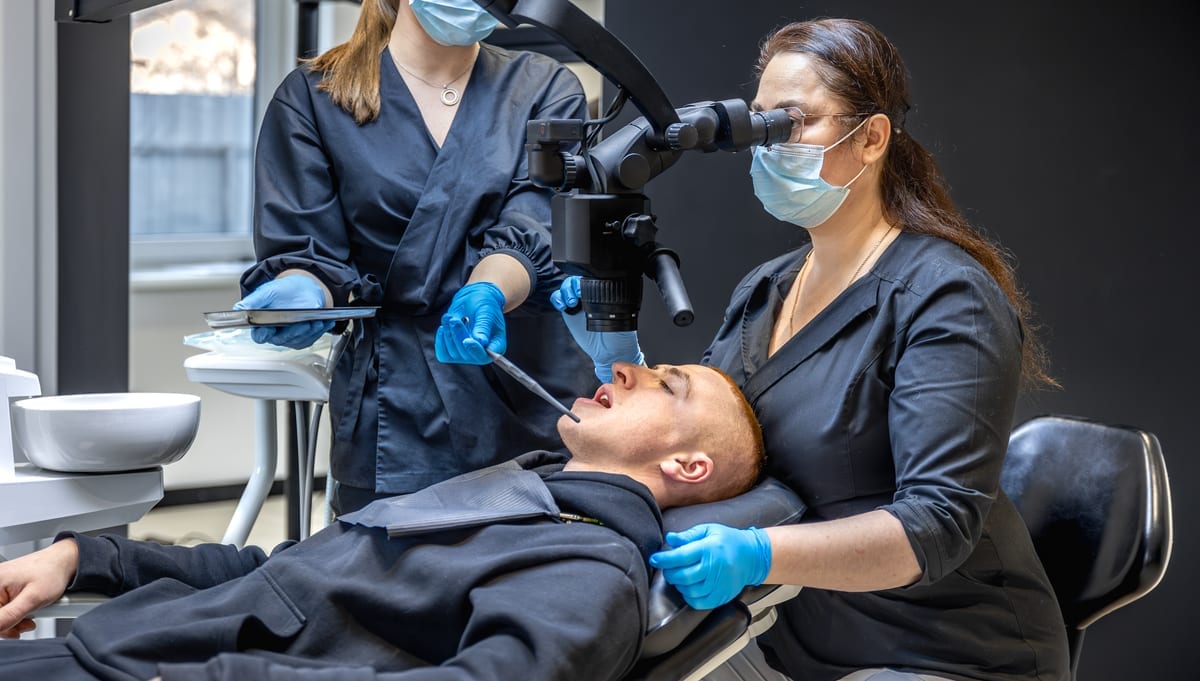
Our dental team waits until the anesthetic has fully taken effect. There is no rushing through this step. If you feel anything unexpected during the procedure, you can raise your hand immediately. We will pause and address your comfort before continuing.
Here is what local anesthesia accomplishes during the procedure:
- Blocks nerve signals from the affected tooth and surrounding tissue
- Eliminates sharp or shooting pain during cleaning and shaping
- Remains effective for the full duration of the treatment
- Allows you to stay relaxed and responsive throughout
Some patients with severe infections may find that anesthesia takes slightly longer to work. Infection can make tissue more acidic, which affects numbing. Your dentist will use additional anesthetic if needed to ensure full comfort.
What You Actually Feel During a Root Canal Procedure
Knowing the difference between pressure and pain is important. During a root canal, you will likely feel some pressure. You may also sense vibration from the instruments. These sensations are not painful, but they are noticeable.
You will not feel sharp pain, burning, or stabbing sensations if the anesthetic is working correctly. If you do, tell your dentist immediately. That feedback helps your care team respond right away. Your comfort is not something you should push through silently.
Some patients also experience jaw soreness from keeping their mouth open. This is normal and temporary. A bite block or small rest may be offered to help reduce jaw fatigue. The procedure itself typically takes between 60 and 90 minutes depending on the tooth.
Sedation dentistry is also available for patients with significant dental anxiety. Light sedation helps you feel calm and at ease without affecting how the anesthesia works. Ask our team about sedation options if you feel nervous about your visit.
What to Expect During Root Canal Recovery in Los Angeles
Recovery after a root canal is usually straightforward. Most patients return to normal activities the following day. Some mild soreness around the treated tooth is common for a few days. This is your body’s natural response to the procedure, not a sign of a problem.
Over-the-counter pain relievers are usually enough to manage post-procedure discomfort. Your dentist will give you specific aftercare instructions. Follow them closely to support proper healing. Avoid very hard or crunchy foods for a few days while the area recovers.
Here is a general timeline of what recovery looks like:
- Day 1: Some numbness lingers for a few hours after the procedure
- Days 1–3: Mild tenderness when biting or pressing on the tooth
- Days 3–5: Soreness gradually decreases with normal care
- Week 1–2: A permanent crown is often placed to protect the treated tooth
If pain increases after the third day or you develop swelling, contact our office. These signs may indicate a complication that needs attention. Most patients, however, experience an uncomplicated recovery without any major concerns.
How Root Canal Treatment Compares to Other Common Dental Procedures
Root canals are often compared to tooth extractions in terms of anxiety. Both involve working on a damaged or infected tooth. However, root canal treatment saves the natural tooth while an extraction removes it. Keeping your natural tooth is almost always the preferred outcome when possible.
After a tooth extraction, tooth replacement becomes necessary. Options like dental implants or bridges help restore function. For patients exploring cosmetic improvements alongside restorative care, our team also offers Veneers Los Angeles patients rely on to improve the appearance of their smile. Addressing damaged teeth promptly often prevents more complex treatment later.
Sometimes a severely damaged tooth cannot be saved with a root canal. In those cases, Wisdom Teeth Extraction Los Angeles patients trust our team for is one example of when removal may be the right path forward. Our dental team always explains your options clearly before any treatment begins.
The key takeaway is that root canal treatment is a routine, well-tolerated procedure. Fear of the unknown is often worse than the procedure itself. Patients who come in informed tend to have a much more positive experience overall.
Frequently Asked Questions
Does a root canal hurt more than a filling?
Most patients report that a root canal feels similar to getting a dental filling. Local anesthesia numbs the area completely before any work begins. You may feel pressure or vibration, but sharp pain is not expected. The procedure is designed to relieve tooth pain, not cause it.
How long does root canal recovery take?
Most patients recover within three to five days. Mild soreness when biting is common during the first few days. Over-the-counter pain relievers typically manage any discomfort effectively. Most people return to their regular routine the day after treatment.
Can I drive myself home after a root canal in Los Angeles?
If you receive only local anesthesia, you can drive yourself home without concern. If you choose sedation dentistry, you will need a trusted adult to drive you. Our team will review this with you during your consultation. Plan ahead based on what type of anesthesia you and your dentist decide on.
What happens if I delay root canal treatment?
Delaying treatment allows infection to spread and worsen. The tooth may become too damaged to save, requiring extraction instead. Infection can also spread to surrounding teeth and tissue. Treating the problem early leads to better outcomes and a smoother recovery.
Is root canal treatment safe for anxious patients?
Yes, root canal treatment is safe and manageable even for anxious patients. Sedation options are available to help you feel calm throughout the procedure. Our dental team takes time to explain every step before beginning. You are always in control and can communicate any concerns during the appointment.
If you have been putting off treatment because of fear, our team is here to help you feel at ease. We are committed to making your visit as comfortable and stress-free as possible. Book Now to schedule your appointment with our team.