Pearl Dental Blog
What to Expect After Your Dental Bridge: Recovery Tips and Timeline
Getting a dental bridge is a significant step toward restoring your smile and chewing function. But the procedure itself is only part of the journey. Knowing what to expect after your dental bridge — recovery tips and timeline in Los Angeles — helps you heal faster and avoid complications. Our dental team at Pearl Dental Culver City has put together this practical guide to walk you through every stage of recovery.
Your Dental Bridge Recovery Timeline in Los Angeles
Recovery after a dental bridge placement is generally straightforward. Most patients in Los Angeles feel back to normal within one to two weeks. However, the timeline varies depending on how many teeth were involved and your individual healing response.
Here is a general breakdown of what to expect:
- Days 1–3: Mild soreness, sensitivity, and gum tenderness are common. Swelling may appear near the treated area.
- Days 4–7: Discomfort begins to ease. Eating soft foods becomes more comfortable.
- Week 2: Most sensitivity resolves. You can gradually reintroduce normal foods.
- Weeks 3–4: The bridge feels natural. Bite alignment settles fully into place.
Some patients adapt even faster. Others may take a little longer, especially if they had a tooth extraction before bridge placement. Either way, consistent aftercare makes a big difference in how smoothly your recovery goes.
What to Eat After Your Dental Bridge: A Recovery Diet Guide
Your diet plays a major role in healing after a dental bridge. In the first few days, stick to soft, cool, or lukewarm foods. Avoid anything hard, chewy, or crunchy until tenderness fully subsides.
Good food choices during early recovery include:
- Yogurt and smoothies
- Scrambled eggs and soft-cooked vegetables
- Mashed potatoes and oatmeal
- Soup (not too hot) and soft fish
- Bananas, applesauce, and ripe avocado
Avoid sticky candies, hard nuts, raw carrots, and chewy breads. These foods can dislodge or stress the temporary bridge if it is still in place. Even after your permanent bridge is cemented, it is best to chew on the opposite side for the first week. This protects the bridge while the surrounding tissue heals.
Stay well hydrated. Drinking water regularly helps flush bacteria and supports gum tissue recovery.
Managing Discomfort and Sensitivity After Your Bridge
Some level of sensitivity is completely normal after a dental bridge procedure. Your gums and supporting teeth were reshaped and prepared, which causes temporary irritation. Understanding how to manage this discomfort keeps you comfortable during recovery.
Here are practical pain management tips our dental team recommends:
- Take over-the-counter pain relievers like ibuprofen or acetaminophen as directed.
- Rinse gently with warm salt water two to three times daily.
- Use a soft-bristled toothbrush around the bridge area.
- Avoid extremely hot or cold foods that trigger sensitivity.
- Sleep with your head slightly elevated in the first day or two to reduce swelling.
Most sensitivity peaks within the first 48 hours and then gradually fades. If you feel sharp, persistent pain after day five, contact our office. That level of discomfort is not typical and may need evaluation.
Patients who have also undergone related procedures — such as Wisdom Teeth Extraction Los Angeles — before bridge placement may experience a slightly longer sensitivity period. This is normal given the additional healing involved.
How to Care for Your Dental Bridge Long-Term
Good aftercare extends the life of your dental bridge significantly. A well-maintained bridge can last 10 to 15 years or even longer. Proper hygiene habits are the most important factor in that longevity.
Daily care tips for your dental bridge include:
- Brush twice daily using a fluoride toothpaste.
- Use a floss threader or water flosser to clean under the bridge.
- Avoid biting on hard objects like ice or pen caps.
- Schedule professional cleanings every six months.
- Wear a nightguard if you grind your teeth while sleeping.
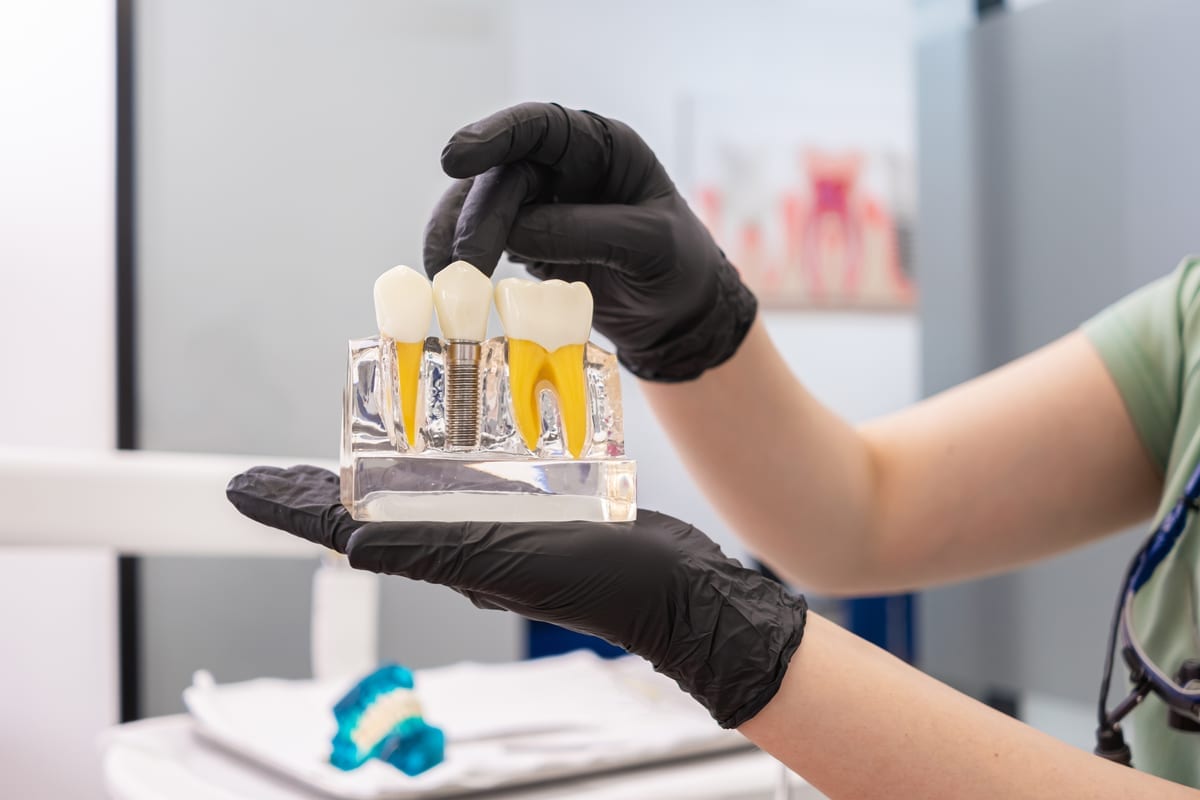
Flossing under a bridge requires a little extra effort, but it is critical. Food debris and plaque can build up beneath the pontic — the false tooth — and cause decay in the abutment teeth supporting the bridge. Ask our team to show you the correct technique at your follow-up visit.
Patients interested in other smile restoration options, such as Veneers Los Angeles, should also follow strong hygiene routines to protect all dental work.
Warning Signs to Watch for After Dental Bridge Placement
Most recoveries go smoothly, but it is important to know when something needs attention. Recognizing warning signs early prevents small issues from becoming bigger problems.
Contact our dental team promptly if you notice any of the following:
- Severe or worsening pain after the first few days
- The bridge feels loose or shifts when you bite
- Swelling or bleeding that does not improve after 48 hours
- A bad taste or odor near the bridge site
- Visible gaps forming between the bridge and gumline
These symptoms can sometimes indicate an infection, a poor bite fit, or cement failure. All of these issues are treatable when caught early. Do not wait weeks before reaching out — early intervention almost always leads to a simpler fix.
Conclusion: Heal Confidently with Support from Pearl Dental Culver City
Understanding what to expect after your dental bridge — recovery tips and timeline — removes the uncertainty from the healing process. With the right diet, proper hygiene, and awareness of warning signs, most Los Angeles patients recover comfortably and quickly. Our dental team at Pearl Dental Culver City is here to support you through every stage of your recovery. Book Now to schedule your appointment with our team.
Frequently Asked Questions
How long does it take to fully recover from a dental bridge?
Most patients feel comfortable within one to two weeks. Full adjustment to the bite and complete gum healing may take up to four weeks. Staying consistent with aftercare speeds up this process significantly.
Is it normal to feel pain after a dental bridge procedure?
Mild soreness and sensitivity in the first few days are completely normal. Discomfort should steadily decrease each day. If pain worsens or persists beyond five days, contact your dental provider for an evaluation.
Can I eat normally after getting a dental bridge?
You should stick to soft foods for the first week after placement. After sensitivity fades, you can gradually return to your regular diet. Avoid hard, sticky, or extremely chewy foods for at least two weeks to protect the bridge.
How do I clean under my dental bridge?
Use a floss threader, interdental brush, or water flosser to clean beneath the pontic daily. Standard floss alone cannot reach this area effectively. Your dental team can demonstrate the correct technique during your follow-up visit.
How long does a dental bridge last?
With proper care, a dental bridge typically lasts between 10 and 15 years. Some bridges last even longer. Regular professional cleanings and strong daily hygiene habits are the most important factors in maximizing its lifespan.