Pearl Dental Blog
Will Teeth Whitening Actually Work for You
Many Los Angeles patients ask the same question before booking an appointment: will teeth whitening actually work for you in Los Angeles? The honest answer is that it depends entirely on the type and cause of your staining. Whitening treatments are not one-size-fits-all. Understanding your candidacy before you spend money on treatment is smart, and that is exactly what this guide will help you do.
Will Teeth Whitening Actually Work for You in Los Angeles? Start Here
Professional whitening uses peroxide-based gels to break apart surface stains on natural tooth enamel. This works beautifully for certain types of discoloration. However, it does nothing for stains on dental restorations like crowns, bridges, or veneers. If your visible front teeth include any of these restorations, you may see uneven results after whitening.
The good news is that most healthy adults with natural teeth are excellent candidates. Stains from coffee, tea, red wine, and tobacco typically respond very well to professional whitening. These are called extrinsic stains, and they sit on the outer layer of your enamel where the whitening gel can reach them effectively.
Intrinsic stains are different. These live inside the tooth structure itself. They often require more advanced cosmetic solutions to correct. Knowing which type of stain you have is the first and most important step in choosing the right treatment.
Who Gets the Best Whitening Results
Ideal whitening candidates share a few common characteristics. Patients in this group tend to see dramatic, lasting results from professional treatment.
- Natural teeth with no crowns or veneers on the front smile
- Yellow or light brown staining from food, drinks, or tobacco
- Healthy gums with no active gum disease or untreated cavities
- Enamel that is thick enough to tolerate the whitening process
- Realistic expectations about the shade improvement possible
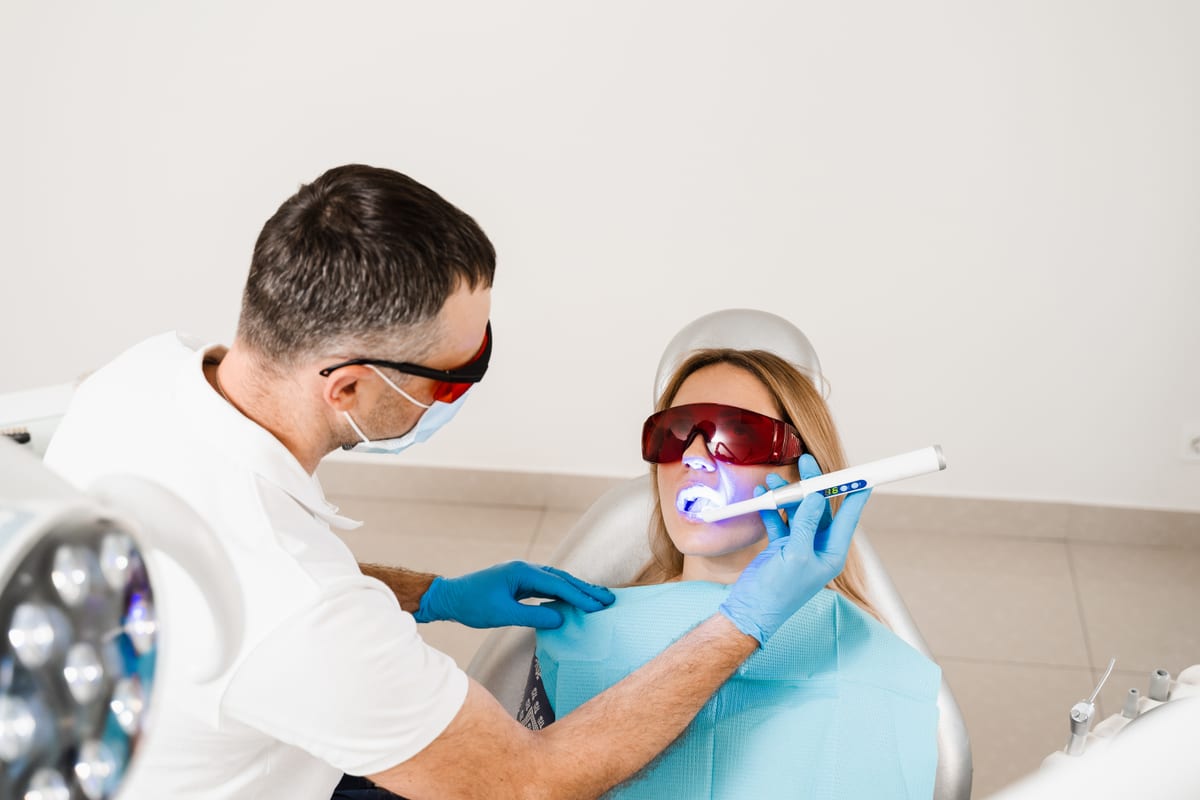
If you match most of these criteria, professional whitening at Pearl Dental Culver City is likely to deliver results you will love. Our dental team uses professional-grade treatments that go far beyond anything available in a drugstore. Results can lighten teeth by several shades in a single visit or over a short take-home program.
Age also plays a role. Younger patients often see faster results because their enamel is less porous. Older patients can still whiten successfully, though the process may take a little longer to reach the desired shade.
Who May Not See Results — And What to Do Instead
Not every patient will benefit from whitening alone. Certain situations call for a different approach entirely. Recognizing these early saves you time and money.
Dental restorations: Whitening gel does not change the color of porcelain, ceramic, or composite materials. If you have visible crowns, bridges, or veneers on your front teeth, those restorations will stay their original shade while surrounding natural teeth brighten. This creates a mismatched appearance that most patients want to avoid.
Intrinsic stains: Some stains originate inside the tooth. These often appear gray or blue-gray rather than yellow. They are commonly caused by trauma to the tooth, old root canal treatment, or certain childhood illnesses that affected enamel development during tooth formation.
Medication-induced staining: Tetracycline antibiotics taken during childhood are a well-known cause of deep internal staining. These stains appear as dark gray or brown bands across the teeth. Standard whitening produces very limited results on tetracycline staining. Patients with this type of discoloration usually get far better outcomes with porcelain veneers.
Patients who are not good whitening candidates often find that Veneers Los Angeles give them the beautiful smile they are looking for. Veneers cover the front surface of teeth completely, masking any underlying discoloration regardless of its cause.
How Medications and Health Conditions Affect Whitening Candidacy
Beyond tetracycline, several other medications and health conditions can influence how your teeth respond to whitening. Fluorosis is one example. This condition occurs when children consume too much fluoride during tooth development. It creates white spots or brown patches on the enamel that can actually become more visible after whitening treatment.
Patients undergoing chemotherapy or radiation to the head and neck region should postpone elective dental treatments including whitening. Our dental team will always review your medical history before recommending any cosmetic procedure. Your overall health comes first.
Dry mouth caused by certain medications can also affect results. Saliva helps protect enamel during whitening. Reduced saliva flow may increase sensitivity and slow the whitening process. Our team can recommend strategies to manage sensitivity and still achieve great results.
- Antihistamines and antidepressants can cause dry mouth, affecting comfort during whitening
- Blood pressure medications may increase gum sensitivity during treatment
- Fluoride supplements taken in childhood may contribute to fluorosis-related staining
- Iron supplements can cause dark staining that whitening does not remove effectively
What Happens During a Whitening Consultation in Los Angeles
Before any whitening treatment begins, our dental team performs a thorough examination. We look at the current shade of your teeth, the condition of your enamel, and whether any restorations are present on visible teeth. We also check for cavities and gum disease that need to be treated first.
We will ask about your dental history and any medications you take. This information helps us predict how your teeth will respond. We will then explain exactly what kind of results you can realistically expect. Transparency is important to us.
If whitening is not the right fit, we will suggest alternatives. These may include cosmetic bonding, porcelain veneers, or other treatments that address your specific type of staining. Patients who have missing teeth or need other restorative work can also explore options like Wisdom Teeth Extraction Los Angeles as part of a broader treatment plan before moving into cosmetic work.
Our goal is always to match you with the right solution — not simply the most popular one. Los Angeles patients deserve honest guidance and results that last.
Making the Right Choice for Your Smile
Teeth whitening is one of the most effective and affordable cosmetic treatments available when you are the right candidate. Understanding candidacy is the key to a great outcome. Yellow extrinsic stains on natural teeth respond beautifully. Intrinsic stains, restorations, and medication-induced discoloration often require a different solution.
Pearl Dental Culver City is here to help you make that determination with confidence. Our dental team in Los Angeles takes the time to evaluate each patient individually. We never take a one-size-fits-all approach to cosmetic dentistry. Book Now to schedule your appointment with our team.
Frequently Asked Questions
Does professional whitening work better than over-the-counter kits?
Yes, significantly. Professional whitening uses higher-concentration peroxide gels that penetrate enamel more effectively. Over-the-counter products contain much lower levels of active ingredients. Professional treatment at a dental office also includes custom trays and supervised application, which improves both safety and results.
Can I whiten my teeth if I have sensitive teeth?
Many patients with sensitivity can still whiten their teeth safely. Our dental team may recommend a lower-concentration formula or a desensitizing treatment before you begin. We monitor your comfort throughout the process and can pause or adjust treatment as needed. Sensitivity after whitening is usually temporary and resolves within a day or two.
How long do professional whitening results last?
Results typically last one to three years with good oral hygiene and some lifestyle adjustments. Limiting coffee, tea, red wine, and tobacco helps preserve your results. Many patients do a brief touch-up treatment once a year to maintain their shade. Your dentist can recommend the right maintenance schedule for you.
Will whitening damage my enamel?
When performed correctly, professional whitening does not damage enamel. The peroxide gel temporarily opens pores in the enamel to lift stains, then the teeth remineralize naturally. Our team follows safe protocols and recommends fluoride treatments to support enamel health after whitening. Overusing at-home products without guidance is where enamel damage can occur.
What if whitening does not work for my type of staining?
If whitening is not effective for your specific staining, there are excellent cosmetic alternatives. Porcelain veneers, composite bonding, and dental crowns can all create a bright, uniform smile regardless of the underlying cause of discoloration. Our dental team will walk you through every option so you can choose the solution that fits your goals and timeline.